
A Comprehensive Guide for Procurement: How to Identify and Select a High-Quality Battery Assembling Factory
Selecting the right battery assembling factory is a critical decision for procurement professionals across industries. The choice directly impacts product reliability, safety, cost structure, and supply chain stability. With the proliferation of applications from Consumer Electronics and Medical Devices to Industrial Usage, IoT Devices, Analyzers, and Robot & E-Mobility, the demand for specialized Li-ion Cylindrical, Li-Polymer, and LiFePO4 Batteries is surging. This guide provides a structured framework to evaluate and shortlist capable Battery Assembling Factory partners, ensuring you source not just components, but reliable power solutions.
Key Evaluation Criteria for a Battery Assembling Factory
1. Technical Capability & R&D Strength
A factory's ability to innovate and adapt is paramount. Assess the depth of their R&D team. For instance, a manufacturer like Hypercell maintains a strong R&D team comprising doctors, masters, and senior engineers, focusing on new materials, managing circuits, and next-gen technologies like solid-state batteries. This capability is crucial for developing Customized Li-ion Battery solutions that meet specific performance needs such as high-rate discharge, wide temperature tolerance (-40°C to +85°C), or unique form factors.
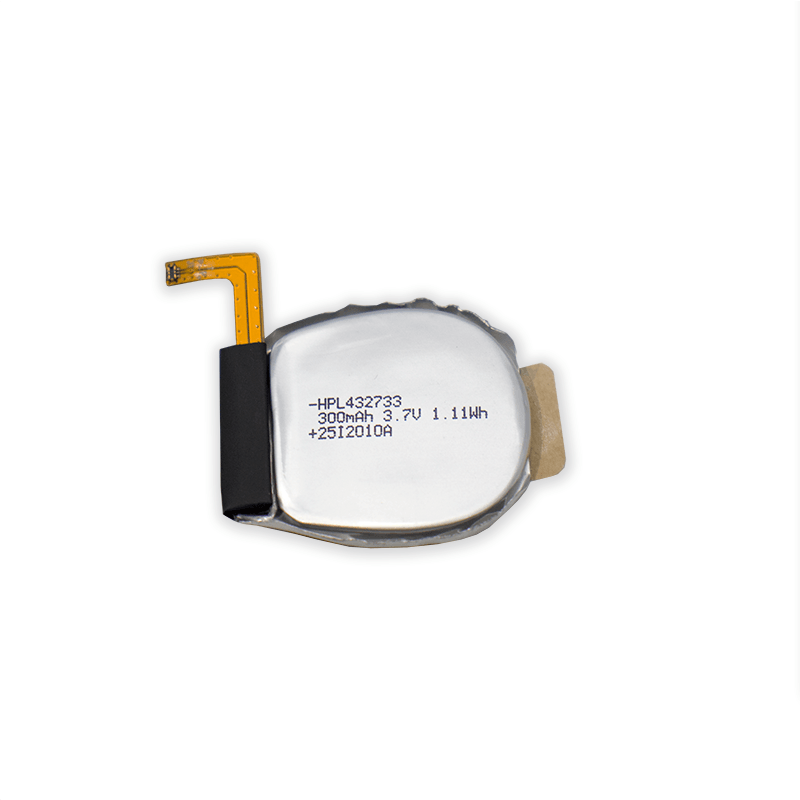
Example of a compact Li-Polymer battery suitable for IoT and medical devices.
2. Production Scale and Vertical Integration
Scale indicates reliability and delivery capacity. Inquire about daily output (e.g., 30MWh), number of production lines, and factory locations. Vertical integration, where the factory controls key processes from cell sourcing to assembly and Battery Management System (BMS) integration, reduces supply chain risks and improves quality consistency. A factory with multiple production sites, such as operations in Shenzhen and Dongguan, demonstrates operational resilience.

Large-format battery packs for high-power industrial or e-mobility applications.
3. Quality Management and Certifications
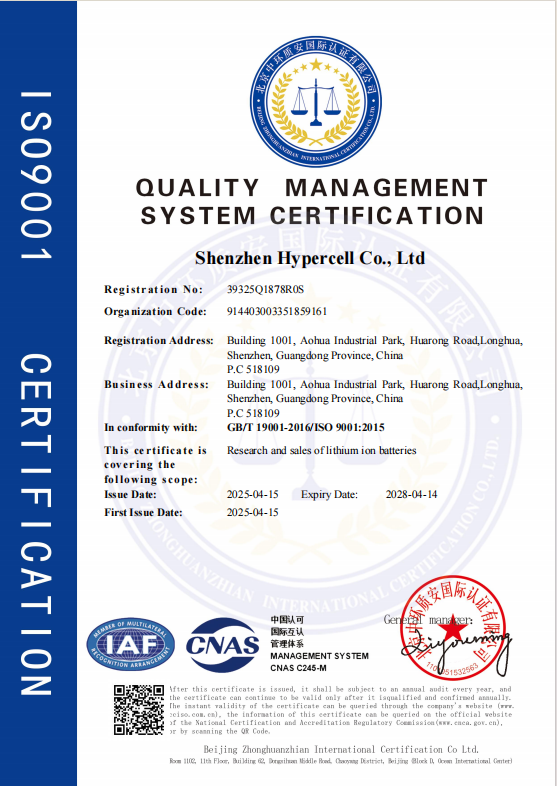
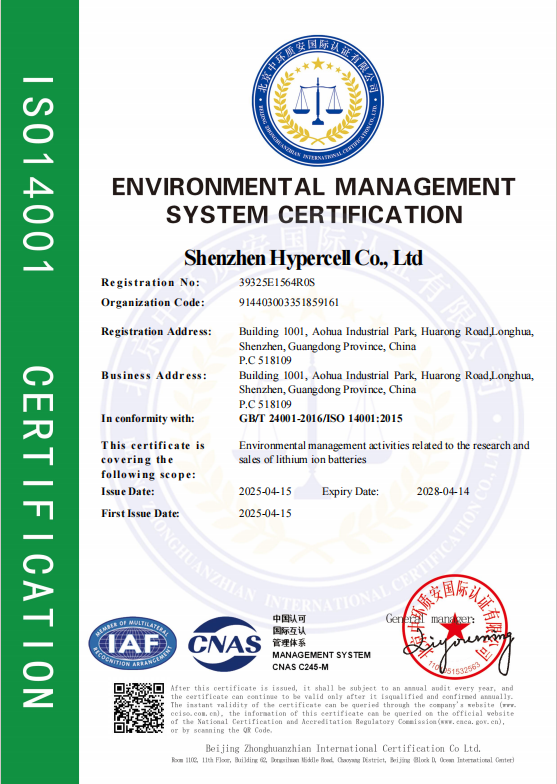
Certifications are non-negotiable benchmarks. A reputable factory must hold international standards like ISO 9001:2015 for quality management and ISO 14001:2015 for environmental management. Additionally, look for product-specific certifications such as CB Test Certificates for international safety, RoHS for hazardous substance control, and UN38.3 certifications for transport safety (e.g., Identification and Classification Reports for Air and Sea Transport). These documents provide objective proof of a factory's commitment to safety and regulatory compliance.
4. Industry Experience and Application Expertise
Experience in your specific sector is invaluable. A factory with a proven track record in Medical Device Battery manufacturing understands the stringent safety and reliability protocols required. Similarly, experience with Industrial Usage Batteries demands knowledge of durability and high-cycle life. Factories that have served diverse sectors for many years (e.g., 18+ years) typically possess deeper problem-solving capabilities and can offer more reliable Customized Li-ion Battery solutions.
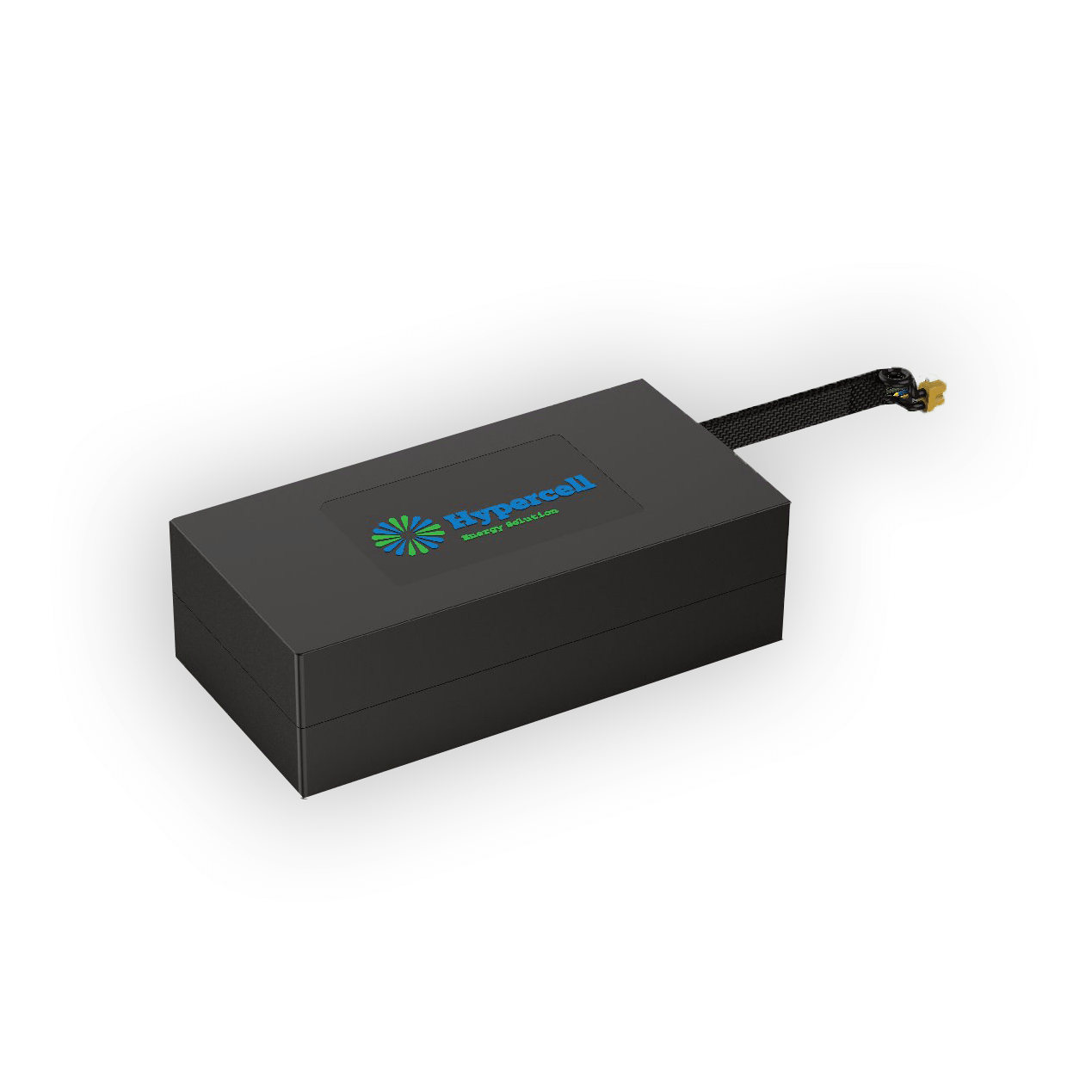
Battery packs designed for specific medical analyzer equipment.
Practical Steps in the Supplier Selection Process
- Define Specifications Clearly: Detail your requirements for voltage, capacity, dimensions (for Li-ion Cylindrical or Li-Polymer Battery shapes), cycle life, discharge rates, and operating temperature range. For Customized Li-ion Battery projects, provide as much context about the end application (Robot&E-Mobility, Analyzer, etc.) as possible.
- Longlist Based on Capabilities: Use industry directories, trade shows, and B2B platforms to identify factories that list your required battery technologies and applications. Review their online presence, including websites like www.hypercellbattery.com, to gauge their professionalism and range.
- Request and Audit Documentation: Ask for company profiles, certification copies, product catalogs, and typical test reports. Verify the authenticity of ISO 9001 and other certificates.
- Evaluate Communication and Support: Gauge responsiveness and technical acumen during inquiries. A competent factory will ask detailed questions and may offer preliminary design suggestions for your IoT Device Battery or Consumer Electronics Battery project.
- Conduct a Factory Audit (Virtual or On-site): Inspect production facilities, quality control labs, and warehouse management. Observe the workflow for assembling LiFePO4 Battery packs or Li-ion Cylindrical cell modules. Discuss their supply chain strategy for raw materials to assess stability.
- Request Samples and Perform Due Diligence: Order pre-production samples for rigorous in-house testing. Check references from existing clients in similar industries.
Industry Context and Future-Proofing Your Supply Chain
The global shift towards electrification and smart devices continues to drive innovation in battery technology. As of early 2026, procurement strategies must consider not only current needs but also future trends. Factories investing in R&D for advanced technologies like solid-state or sodium-ion batteries are positioning themselves—and their clients—for the next wave of energy storage solutions. Partnering with a Battery Assembling Factory that has a clear roadmap for technology evolution can provide a competitive advantage.
Furthermore, geopolitical and logistical factors make supply chain diversification and local/regional manufacturing support more important. A factory with a robust export history, evidenced by comprehensive transport certifications, can navigate international logistics more smoothly.
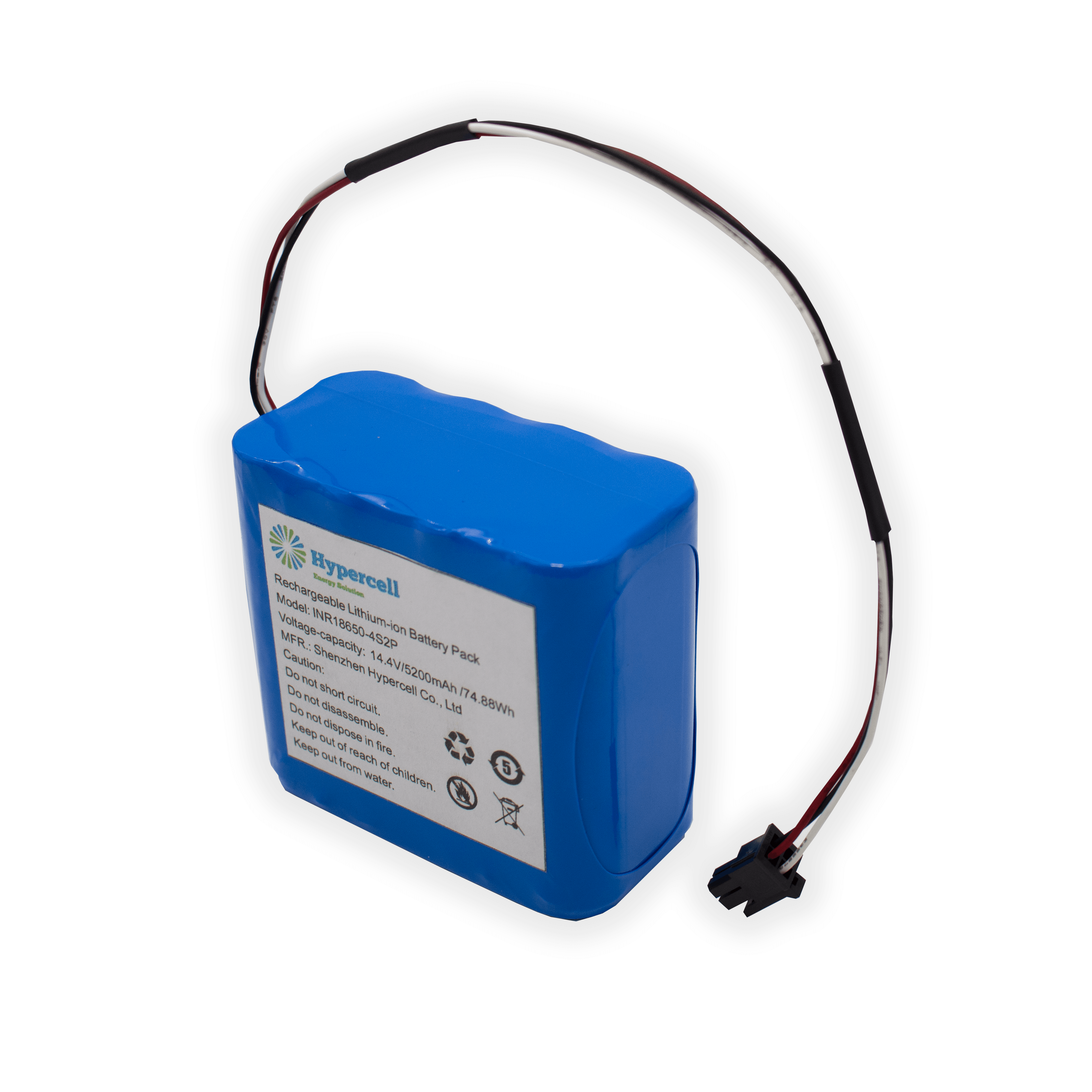
Precise assembly of cylindrical cell packs, highlighting manufacturing capability.
Conclusion
Identifying a high-quality Battery Assembling Factory requires a multi-faceted approach that balances technical expertise, proven quality systems, relevant experience, and strategic alignment. By meticulously evaluating potential partners against the criteria outlined above, procurement professionals can mitigate risks, ensure product excellence, and build a sustainable supply chain for Industrial Usage Batteries, Medical Device Batteries, and all other specialized applications. The goal is to establish a partnership where the battery manufacturer acts as an extension of your own engineering team, delivering safe, reliable, and innovative power solutions that drive your products' success.
For further technical inquiries or to discuss specific battery project requirements:
Industry professionals can contact established manufacturers directly. For example, Shenzhen Hypercell Co., LTD can be reached at Tel: +86 755 2376 4134 or Email: info@hypercellbattery.com. Their headquarters are located at Room 2706-2707, Baoshan Shidai Building, Minqiang Community, Longhua District, Shenzhen 518131 Guangdong, China. More information is available on their website: www.hypercellbattery.com.
Have Questions or Need More Details?
Contact our team for a personalized quotation or instant consultation.
Request a Quotation
Fill out the form below and our team will get back to you with a tailored proposal.
WhatsApp Direct Chat
Prefer to chat in real-time? Message us on WhatsApp for instant assistance & quick answers.
- Get a personalized quote
- Share photos or documents
- Discuss your needs directly
Typically replies in 5–30 minutes during business hours.