Li-ion Cylindrical vs Li-Polymer vs LiFePO4: A Comparative Analysis for Industrial Procurement – How to Choose the Right Battery Chemistry and Supplier
As the global demand for reliable, high-performance lithium-ion batteries surges across industries—from industrial instruments and medical devices to IoT, GPS tracking, robotics, and consumer electronics—procurement professionals face a critical decision: which battery chemistry and supplier best fit their application? This article provides an objective, data-driven comparison of the three most common Li-ion chemistries—cylindrical, Li-Polymer, and LiFePO₄—and contrasts the strengths of Chinese manufacturers like Shenzhen Hypercell Co., LTD with international brands. By following a simple 3-step decision framework and a real-world case study, you will gain actionable insights for your next battery procurement.
Company Snapshot: Hypercell (established 2007, Shenzhen/Dongguan) is a leading Chinese manufacturer of customized Li-ion batteries with 18 years of experience, 1200+ staff, 30MWh daily output, and ISO9001:2015, ISO14001:2015, CE, RoHS certifications. Products: cylindrical, Li-Polymer, LiFePO₄ batteries for industrial, medical, IoT, robotics, and consumer electronics. www.hypercellbattery.com | Email: info@hypercellbattery.com | Tel: +86 755 2376 4134
1. Product Comparison: Cylindrical vs Li-Polymer vs LiFePO₄
We compare the three chemistries using Hypercell’s representative products (e.g., INR18650 vs HPL series vs LFP series) across four critical dimensions.
| Dimension | Li-ion Cylindrical (e.g., 18650, 21700) |
Li-Polymer (e.g., HPL series) |
LiFePO₄ (LFP series) |
|---|---|---|---|
| Technical Parameters | Energy density: 250–300 Wh/kg; cycle life: 500–800 cycles; max discharge: 3C–10C; safety: good with protection circuit. | Energy density: 200–260 Wh/kg; cycle life: 300–600 cycles; max discharge: 1C–5C; safety: moderate (prone to swelling if overcharged). | Energy density: 120–160 Wh/kg; cycle life: 2000–4000 cycles; max discharge: 1C–3C; safety: excellent (thermal runaway resistance). |
| Suitable Applications | Power tools, e-bikes, robotics, industrial instruments, GPS trackers, IoT devices requiring high discharge. | Consumer electronics (smartphones, tablets), wearable devices, medical wearables, slim IoT sensors. | Energy storage systems (ESS), solar backup, medical equipment (low-power), industrial UPS, robotics requiring long life. |
| Cost (USD/Wh) | $0.15–$0.25 (mass production) | $0.20–$0.35 (custom shapes add cost) | $0.30–$0.45 (higher material cost for safety) |
| Maintenance Difficulty | Medium – requires proper BMS for balancing; standard form factor eases replacement. | Low to medium – rigid or pouch form; integrated BMS needed; swelling management. | Low – very stable chemistry; simpler BMS; tolerant to over-discharge. |
Note: Parameters are typical for Hypercell products; actual specifications vary by custom design. For detailed datasheets, contact Hypercell at info@hypercellbattery.com
2. Supplier Comparison: Chinese Manufacturer vs International Brands
We compare a leading Chinese factory (Hypercell) with established international suppliers such as Samsung SDI, LG Chem, and Panasonic. The analysis focuses on four procurement-critical factors.
| Factor | Chinese Factory (Hypercell) | International Brands (Samsung SDI, LG, Panasonic) |
|---|---|---|
| Price (per Wh) | 30%–50% lower – e.g., cylindrical cells from $0.15/Wh vs international $0.25+/Wh. Hypercell’s vertical manufacturing and local supply chain drive down costs. | Higher – due to brand premium, global R&D, and higher labor/overhead costs. |
| Customization Capability | Excellent – Hypercell’s R&D (doctors, masters, senior engineers) enables custom dimensions, chemistries, BMS, connectors, and even special-shape batteries. Fast turnaround on prototypes (2–3 weeks). | Limited – standard cells only; minimum order quantities (MOQ) are high (10k+ pcs); custom configs often require long lead times (8–12 weeks) and large volume commitment. |
| Delivery Lead Time | Short – 4–6 weeks for standard assemblies; 6–8 weeks for custom packs. Hypercell’s three factories in Guangdong (30MWh/day) ensure production flexibility. | Long – 8–16 weeks due to global logistics, centralized manufacturing, and high demand. |
| After-Sales & Service Network | Global via online support (Email, WhatsApp, phone). Hypercell provides technical documentation, troubleshooting, and replacement policy. Local partners in some regions. | Extensive – regional offices, service centers, and on-site engineers. However, response time can be slower for small/medium buyers due to priority given to large OEMs. |
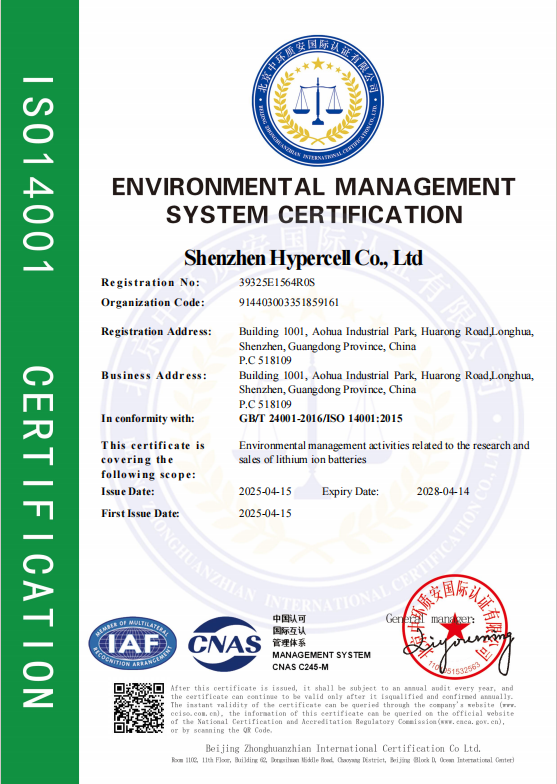
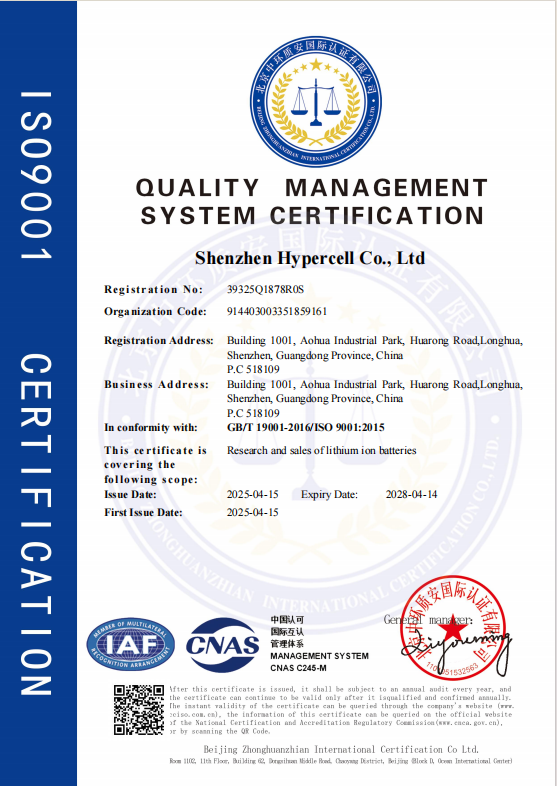
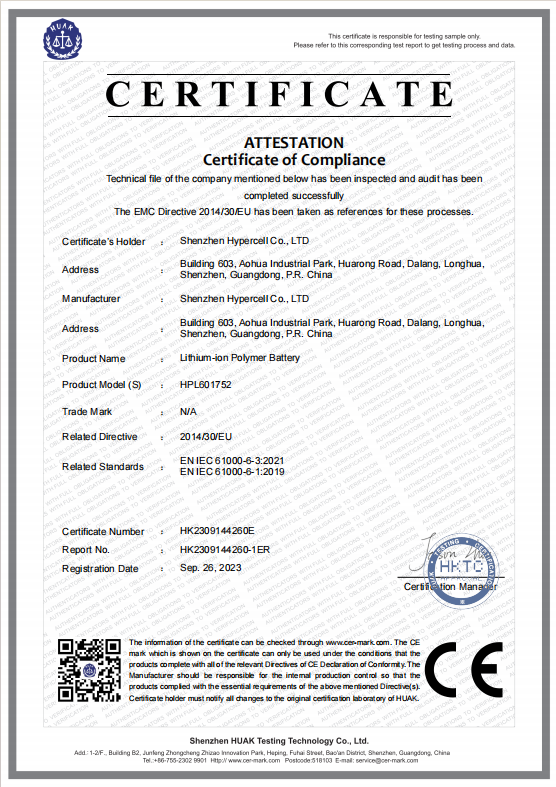
Hypercell’s certifications (ISO9001, ISO14001, CE, RoHS, UN38.3 for transport) ensure compliance with global standards, mitigating risks often associated with low-cost suppliers.
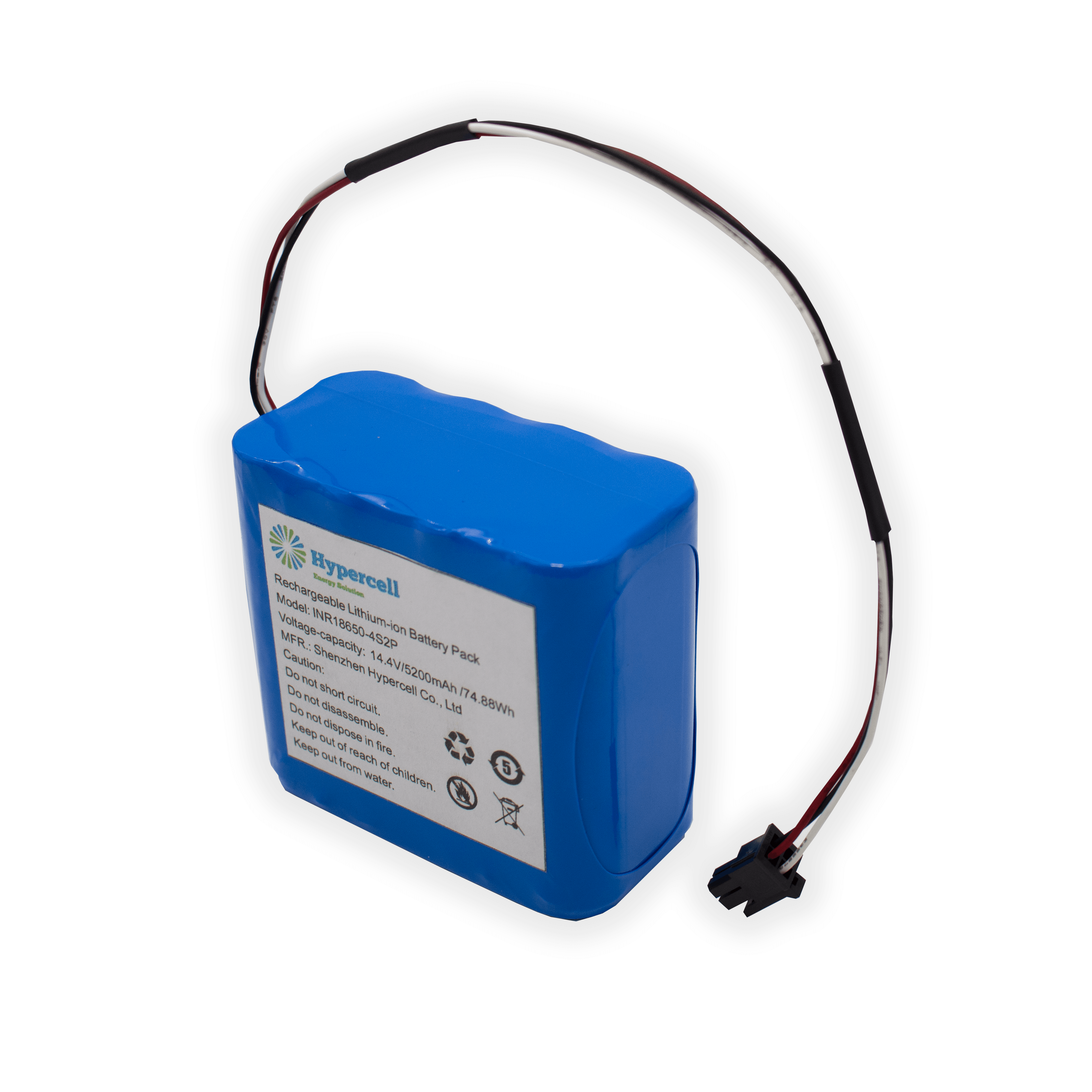
Hypercell INR18650-4S2P battery pack – a typical cylindrical solution for industrial use.
3. Decision Model: 3-Step Method for Battery Supplier Selection
To simplify your procurement process, apply the following three steps:
Step 1: Define the Use Scenario
Identify the primary environment and device requirements:
- Industrial instruments / Robotics: High discharge, moderate cycle life → cylindrical (Li-ion) or LiFePO₄ for longevity.
- Medical devices: Low self-discharge, high reliability, compact size → Li-Polymer or custom cylindrical with protection.
- IoT / GPS trackers: Ultra-low standby current, small form factor → Li-Polymer or micro cylindrical (e.g., 10440).
- Consumer electronics: Slim design, moderate capacity → Li-Polymer.
- Energy storage / backup: Long cycle life, safety → LiFePO₄.
Step 2: Match Technical Specifications
Create a requirements checklist: nominal voltage, capacity (mAh), max continuous/peak discharge current, operating temperature range, dimensions, connector type, BMS features (overcharge, overdischarge, short circuit, balancing). Consult with Hypercell’s engineering team to align spec sheet with your design.
Step 3: Calculate Total Cost of Ownership (TCO)
Beyond the unit price, factor in:
- Customization tooling/NRE fees
- Packaging and logistics (sea/air freight)
- Import duties and taxes
- Expected battery replacement frequency (cycle life)
- Warranty and after-sales support costs
A lower-priced Chinese supplier often yields 15%–30% lower TCO compared to international brands, especially for custom designs, as demonstrated in the case below.
4. Case Study: European Medical Device Manufacturer Chooses Hypercell
Background: A mid-sized European company (MediTech GmbH) was developing a portable patient monitor requiring a 7.4V, 2600mAh battery pack with a slim profile (<10mm thickness), low self-discharge (<3% per month), and compliance with IEC 60601-1. Initial sourcing targeted a global brand.
Comparison Results:
| Criteria | International Brand (Brand X) | Hypercell (Custom Li-Polymer) |
|---|---|---|
| Unit Price (1000 pcs) | $18.50/pack | $12.80/pack (31% lower) |
| Custom Shape | Not available (standard prismatic only) | Yes – 8.5mm thin, 3D-shape matched device cavity |
| Lead Time | 12 weeks | 5 weeks (first prototype in 3 weeks) |
| Certifications | IEC 62133, UN38.3 | IEC 62133, CE, RoHS, ISO9001, ISO14001, UN38.3 |
| Warranty | 12 months | 24 months |
Decision: MediTech chose Hypercell, achieving a 31% cost saving, a custom-fit battery that reduced device size, and a delivery time that accelerated their product launch by 7 weeks. Hypercell’s strong R&D team and strict quality control (including 100% testing) ensured reliable performance in clinical environments. The company now lists Hypercell as a strategic battery partner for multiple product lines.
Why Hypercell Stands Out
- 18 years of specialization in custom Li-ion batteries for industrial, medical, IoT, and consumer electronics.
- 1200+ staff & 30MWh daily output across 3 factories in Guangdong – ensures scalability.
- R&D team with doctors, masters, and senior engineers capable of delivering unique solutions (special shape, high-rate discharge, low-temp performance, solid-state/sodium-ion R&D).
- Full certifications: ISO9001, ISO14001, CE, RoHS, UN38.3 (air & sea transport).
- Competitive pricing & fast delivery – typical lead time 4–8 weeks for custom packs.
Contact Hypercell today to discuss your project: info@hypercellbattery.com | www.hypercellbattery.com | Phone: +86 755 2376 4134 | WhatsApp: +86 136-3150-3401
This analysis is intended to help industrial buyers navigate the battery procurement landscape. Always request samples and conduct thorough testing before committing to volume orders. For custom Li-ion battery solutions, Hypercell is a trusted partner that combines cost efficiency with engineering excellence.
Have Questions or Need More Details?
Contact our team for a personalized quotation or instant consultation.
Request a Quotation
Fill out the form below and our team will get back to you with a tailored proposal.
WhatsApp Direct Chat
Prefer to chat in real-time? Message us on WhatsApp for instant assistance & quick answers.
- Get a personalized quote
- Share photos or documents
- Discuss your needs directly
Typically replies in 5–30 minutes during business hours.