
What is a Battery Assembling Factory? A Comprehensive Guide to Modern Li-ion Battery Production
What is a Battery Assembling Factory? A Comprehensive Guide to Modern Li-ion Battery Production
In the rapidly evolving landscape of global energy and technology, the term Battery Assembling Factory has become central to discussions about innovation, supply chain resilience, and sustainable power. But what exactly does it entail? This article delves into the core functions, advanced processes, and critical importance of a modern battery assembling factory, with a special focus on industry leader Hypercell and its role in powering the future.
Key Takeaways:
- A battery assembling factory is a specialized facility that transforms raw battery cells into finished, safe, and application-ready battery packs.
- Modern factories like Hypercell's integrate R&D, automated production, and rigorous quality control for Li-ion Cylindrical Battery, Li-Polymer Battery, and LiFePO4 Battery solutions.
- The process is crucial for creating Customized Li-ion Battery packs for diverse sectors including Medical Device Battery, Industrial Usage Battery, and IoT Device Battery.
- Choosing a certified and experienced factory is vital for product safety, performance, and reliability.
The Core Function: More Than Just Assembly
A Battery Assembling Factory is not merely a place where components are put together. It is a sophisticated ecosystem of engineering, chemistry, and precision manufacturing. The primary function is to take individual lithium-ion cells—whether cylindrical, prismatic, or pouch—and integrate them with a Battery Management System (BMS), protective circuitry, housing, and connectors to create a functional, safe, and reliable battery pack. This transformation is essential for applications ranging from a delicate Analyzer to a high-power Robot&E-Mobility system.
Inside a State-of-the-Art Factory: The Hypercell Example
To understand the depth of a modern operation, let's examine Shenzhen Hypercell Co., LTD, a premier Battery Assembling Factory established in 2007. With headquarters in Shenzhen and a production base in Dongguan, Hypercell exemplifies the scale and expertise required in today's market.
Scale and Capacity
Hypercell operates three production factories in Guangdong with over 1200 staff, achieving a remarkable daily output of 30MWh. This massive scale allows them to serve global clients needing both high-volume standard products and specialized Customized Li-ion Battery solutions.

Example of a high-capacity battery pack (INR21700-13S10P) assembled for industrial energy storage or large-scale mobility applications.
The Assembly Process: A Step-by-Step Breakdown
The assembly process in a top-tier factory is a blend of automation and skilled craftsmanship. Here’s a simplified breakdown:
- Cell Selection & Sorting: High-quality Li-ion Cylindrical Battery or Li-Polymer Battery cells are rigorously tested and sorted by voltage, capacity, and internal resistance to ensure pack consistency.
- Module Assembly: Cells are arranged into modules using automated spot welding or laser welding for optimal electrical connection and thermal management.
- BMS Integration: The "brain" of the pack, the Battery Management System, is installed. It monitors voltage, temperature, and current, providing critical protection.
- Enclosure & Final Assembly: The module is placed into a custom-designed casing, which can be critical for Medical Device Battery (requiring specific biocompatibility) or Consumer Electronics Battery (requiring sleek design).
- Testing & Quality Assurance: Every pack undergoes a barrage of tests—electrical performance, cycle life, safety (short-circuit, overcharge), and environmental (temperature, humidity).
- Aging & Formation: Packs are charged and discharged to stabilize chemical properties before final packaging.
Meeting Diverse Market Needs: The Hypercell Portfolio
A key strength of an advanced Battery Assembling Factory is its ability to cater to varied Industrial Usage Battery and consumer needs. Hypercell's product portfolio demonstrates this versatility:
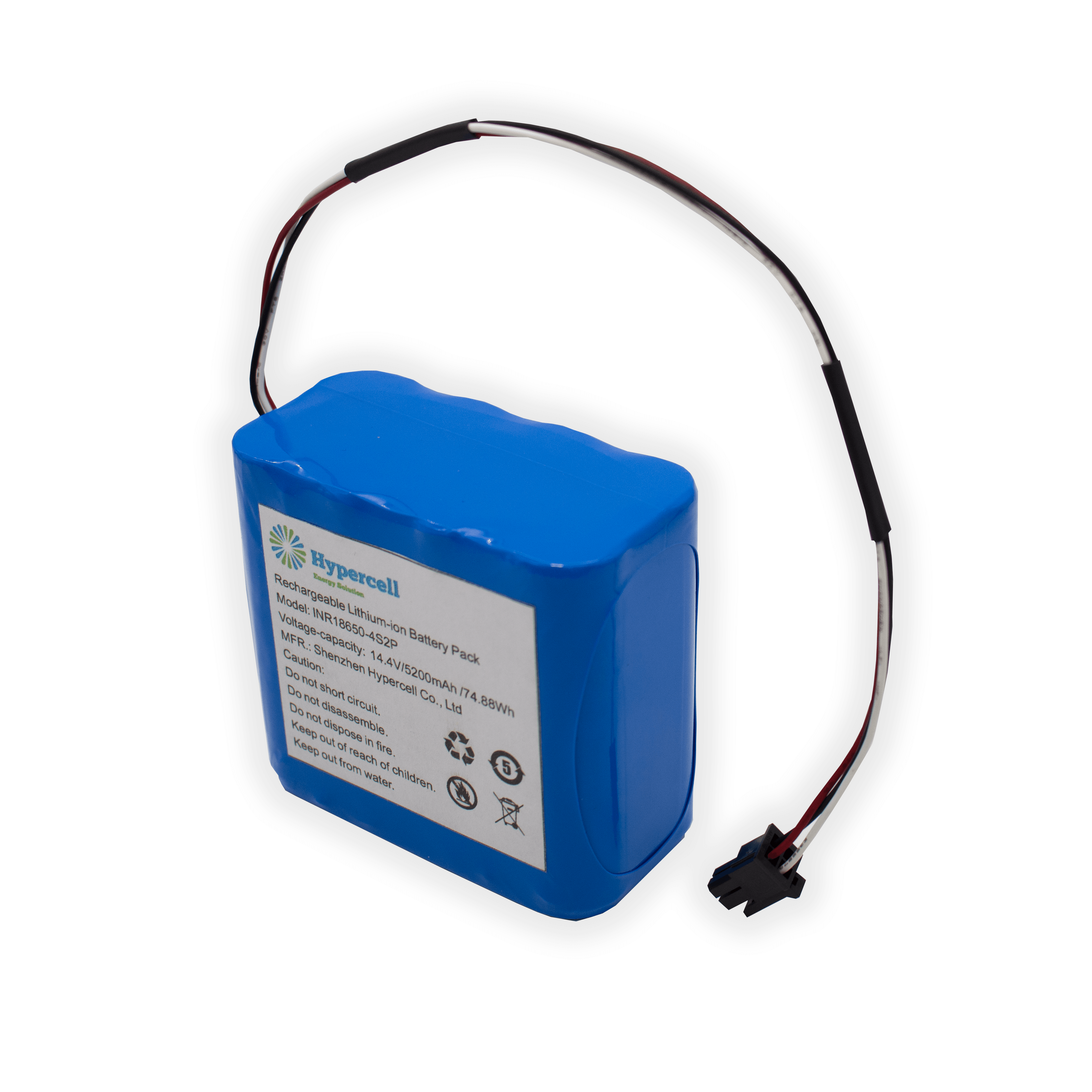
Li-ion Cylindrical Batteries
Standard formats like INR18650 and INR21700, ideal for power tools, IoT Device Battery applications, and light electric vehicles. Known for high energy density and robust mechanical structure.
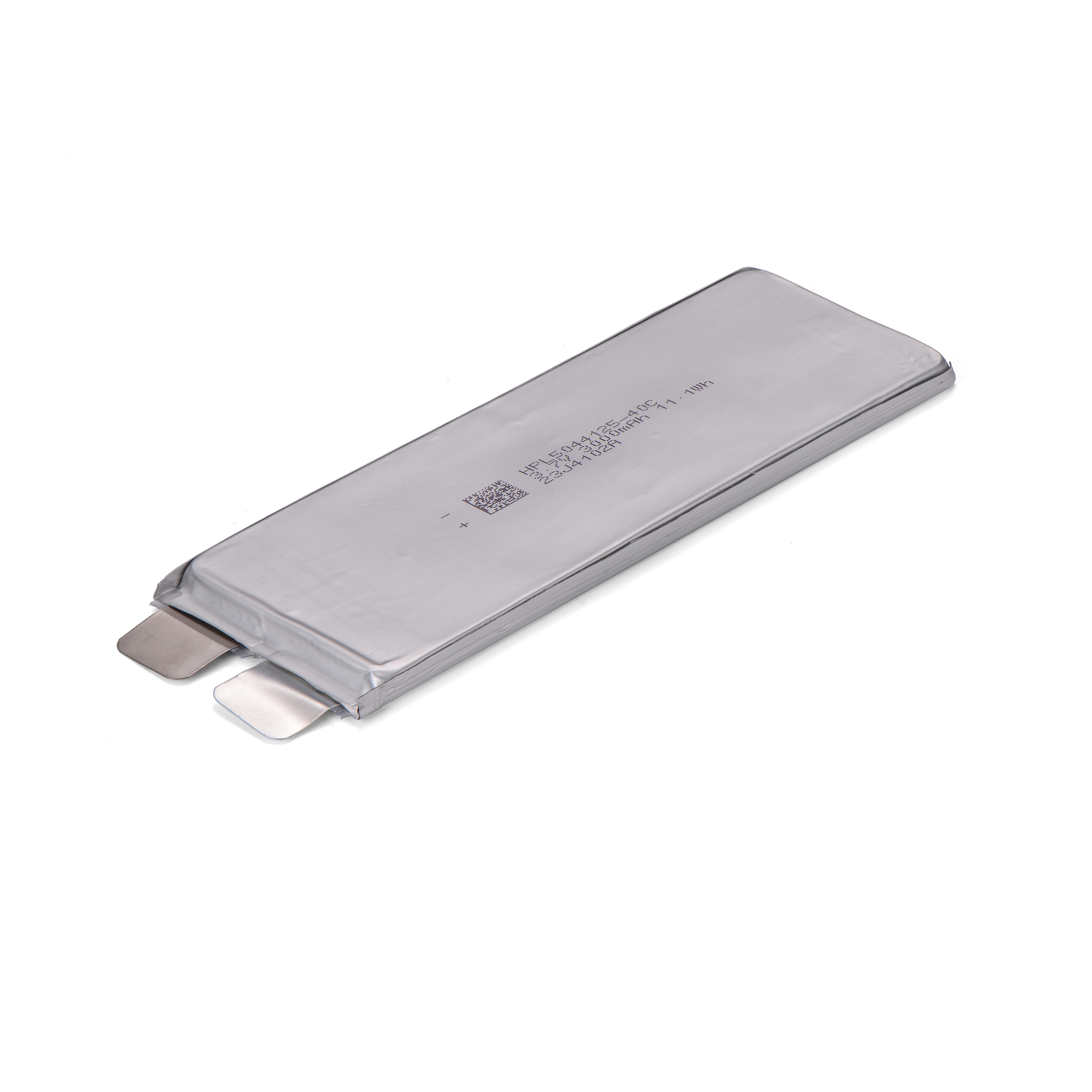
Li-Polymer Batteries
Lightweight, flexible in shape (e.g., HPL5044125-40C), perfect for sleek Consumer Electronics Battery designs, drones, and portable medical devices.
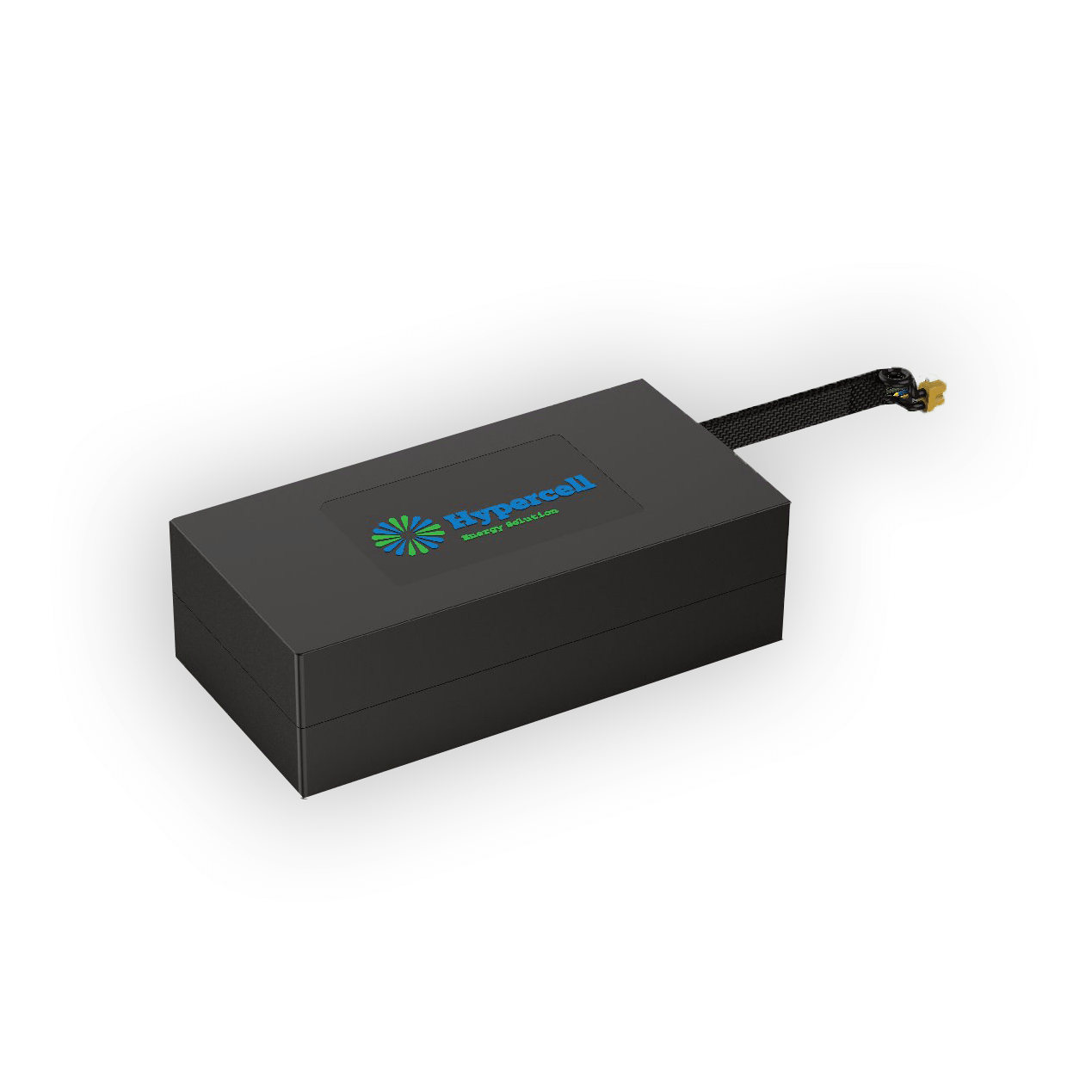
LiFePO4 Batteries
Prioritizing safety and long cycle life, these are the go-to choice for Industrial Usage Battery in backup power, solar storage, and heavy-duty Robot&E-Mobility.
The Pillars of Trust: R&D, Quality, and Certifications
What separates a leading factory from a basic assembler? The answer lies in its foundational pillars.
Innovation Driven by a Strong R&D Team
Hypercell's R&D team, comprising doctors, masters, and senior engineers, is the engine of innovation. They work on new materials, advanced management circuits, and cutting-edge technologies like solid-state and sodium-ion batteries. This focus allows them to solve unique challenges, such as creating batteries for extreme temperatures (high or low) or developing Customized Li-ion Battery with special shapes and high-rate discharge capabilities for specific Analyzer or robotic applications.
Uncompromising Quality Control
Hypercell is a certified ISO9001:2015 (Quality Management) and ISO14001:2015 (Environmental Management) enterprise. This framework ensures every process, from sourcing to shipment, is controlled and continuously improved. Their strict quality control is non-negotiable, especially for sensitive applications like Medical Device Battery packs, where failure is not an option.
Global Compliance and Safety Certifications
Beyond ISO, Hypercell holds critical international certifications that facilitate global trade and assure safety:
- RoHS Certificate: Guarantees the restriction of hazardous substances, aligning with global environmental directives.
- CB Test Certificate: An internationally recognized safety certification for electrical equipment, crucial for Consumer Electronics Battery.
- UN38.3 Transport Certifications: Both for air and sea transport, proving the batteries are safe for shipping worldwide—a vital logistics consideration for any global buyer.
Why the Right Factory Matters for Your Project
Choosing a partner like the Hypercell Battery Assembling Factory is a strategic decision. Here’s why:
- Risk Mitigation: A vertically integrated manufacturer with a vetted supply chain (like Hypercell) minimizes the risk of component shortages or quality inconsistencies.
- Technical Partnership: Their packing technology department offers integration support in industrial design, electronics, and software, acting as an extension of your engineering team.
- Future-Proofing: With 18 years of experience and a focus on next-gen tech, they help clients stay ahead of trends in IoT Device Battery, robotics, and green energy.
Conclusion: The Heart of the Energy Revolution
A modern Battery Assembling Factory is the critical nexus where electrochemical potential is transformed into reliable, application-specific power. It combines scale, science, and stringent standards to deliver the LiFePO4 Battery for your warehouse robot, the Medical Device Battery for a life-saving monitor, or the compact IoT Device Battery for a smart sensor. As industries from Robot&E-Mobility to healthcare continue to electrify, partnering with an established, innovative, and certified manufacturer like Hypercell is not just a procurement choice—it's a cornerstone for product success and market competitiveness.
For more information on customized battery solutions, visit Hypercell's official website: www.hypercellbattery.com.
Have Questions or Need More Details?
Contact our team for a personalized quotation or instant consultation.
Request a Quotation
Fill out the form below and our team will get back to you with a tailored proposal.
WhatsApp Direct Chat
Prefer to chat in real-time? Message us on WhatsApp for instant assistance & quick answers.
- Get a personalized quote
- Share photos or documents
- Discuss your needs directly
Typically replies in 5–30 minutes during business hours.