
Battery Assembling Factory After-Sales & Maintenance Cost Control
Shenzhen Hypercell Co., LTD (Hypercell) is a battery manufacturer established in 2007, headquartered in Shenzhen, with an operated factory in Dongguan and three production factories based in Guangdong. Hypercell develops and assembles Li-ion cylindrical batteries, Li-Polymer batteries, and LiFePO4 batteries, with a daily output of 30MWh and a team of more than 1,200 staff.
When procurement teams evaluate a battery assembling factory, after-sales support and maintenance cost control are often the deciding factors. A custom Li-ion battery is an engineered subsystem, not a commodity. If the factory lacks quality management, engineering support, or compliant documentation, the buyer inherits repair costs, downtime, and regulatory risk.
Why After-Sales Risk Becomes a Procurement Problem
Battery packs for medical devices, industrial instruments, analyzers, robot & E-Mobility systems, and IoT devices operate in demanding conditions. Failures can interrupt patient care, production lines, or field deployments. The total ownership cost of a custom battery includes warranty handling, repair logistics, replacement parts, re-testing, and regulatory documentation.
Hypercell reduces these risks through a quality management process that leaves little room for error. As a qualified ISO9001:2015 and ISO14001:2015 enterprise, Hypercell strictly complies with quality and environmental management systems throughout development and manufacturing.
How a Battery Assembling Factory Influences Maintenance Costs
Battery assembly is the process of turning cells, protection circuits, wiring, connectors, and enclosures into a safe, functional battery pack. Cell matching, protection circuit design, welding quality, and final testing are determined by the factory's process discipline. These factors shape field reliability and the cost of maintaining the battery over its working life.
Hypercell has been addressing application innovation demands for more than 18 years. The company's expertise spans industrial instruments, medical devices, IoT, and related fields. For special environments and special specifications, Hypercell provides specific-characteristic batteries and special-shape battery solutions, including high specific capacity, high rate discharge/fast charge, high-temperature, and low-temperature performance.
Hypercell's Approach to After-Sales Cost Control
Hypercell's after-sales cost control starts with prevention. The company is a qualified ISO9001:2015 and ISO14001:2015 enterprise. Its development and manufacturing processes are governed by formal quality and environmental management systems, which reduces the probability of early-life failures that drive warranty and repair spending.

RoHS certificate in Hypercell's compliance document set.
Hypercell operates three production factories in Guangdong with more than 1,200 staff and a daily output of 30MWh. This capacity supports production stability. The company also maintains a well-established supply chain composed of local and global suppliers that have been vetted through a rigorous selection process. A stable supply base lowers the risk of supply disruptions that can delay repairs or replacements.
Hypercell's strong R&D team is composed of doctors, masters, and senior engineers. Research projects involve new materials, new technologies, and management circuits. The packing technology department helps clients with professional technology integration in industrial design, electronics, power supply, software, structure, process, and testing. This integration capability helps buyers avoid design-related failures that are expensive to correct after production.

CB Test Certificate supports international market acceptance for Hypercell battery products.
Step-by-Step: Evaluate a Battery Assembling Factory's After-Sales Capability
- Check certifications. Confirm the factory holds recognized management system certificates. Hypercell is ISO9001:2015 and ISO14001:2015 certified, and also holds a RoHS certificate, a CB Test Certificate, and Identification and Classification Reports for sea and air transport of goods.
- Assess production capacity. Ask for factory scale and output. Hypercell has three production factories in Guangdong, 1,200+ staff, and 30MWh daily output.
- Review supply chain control. Determine if the factory uses vetted suppliers. Hypercell's supply chain is composed of local and global suppliers vetted through a rigorous selection process.
- Evaluate engineering depth. In-house R&D and packing integration reduce design risk. Hypercell's team includes doctors, masters, and senior engineers, with a packing technology department covering industrial design, electronics, power supply, software, structure, process, and testing.
- Confirm compliance documentation. Transport reports and product certificates affect import clearance and field audits. Hypercell holds sea and air transport classification reports, RoHS, and CB certificates.
- Clarify commercial after-sales terms. Warranty duration, repair turnaround, spare part availability, and technical support response vary by factory. Buyers should request these terms in writing before mass production.
Use Cases: Where After-Sales and Maintenance Cost Control Matter Most
Medical Device Battery
Medical devices require consistent performance, traceable production, and controlled processes. Hypercell's ISO9001:2015 and ISO14001:2015 systems govern development and manufacturing. Custom Li-Polymer batteries such as the HPL432733 3.7V 300mAh demonstrate the form-factor flexibility that medical device designers often need.
Industrial Usage Battery
Industrial instruments may operate outdoors, in high-temperature environments, or in equipment requiring fast charge and high-rate discharge. Hypercell's INR18650S 3.6V 2900mAh Li-ion battery is specified for a wide temperature range of -40℃ to +85℃, supporting analyzers and field instruments.
IoT Device Battery
IoT devices often require compact, special-shape batteries with stable long-term production. Hypercell's R&D team works on special-shape battery solutions and specific-characteristic batteries. Products such as HPL416682 and HPL432733 are examples of Li-Polymer options in the portfolio.
Robot & E-Mobility Battery
Robots and e-mobility platforms use cylindrical packs for capacity and current capability. Hypercell's INR21700-13S10P is an example of a 21700 cylindrical battery pack. The model name indicates a 13-series, 10-parallel configuration, which is characteristic of high-capacity cylindrical pack design.
Consumer Electronics Battery
Consumer electronics also benefit from customized Li-Polymer and cylindrical format options. Hypercell's portfolio includes multiple pack configurations such as INR18650-5S1P, INR18650-4S2P, INR18650-3S6P, and INR18650-2S4P, giving buyers flexibility across device power requirements.
Comparison: After-Sales Cost Drivers and Factory Evidence
| Cost Driver | What to Verify | Hypercell Evidence |
|---|---|---|
| Manufacturing quality | Certified quality management system | ISO9001:2015 and ISO14001:2015 |
| Supplier stability | Vetted raw-material and component suppliers | Local and global suppliers vetted by rigorous selection |
| Production capacity | Scale to support volume and delivery stability | Three factories in Guangdong, 1,200+ staff, 30MWh daily output |
| Engineering support | In-house R&D and packing integration | Doctors, masters, senior engineers; packing technology department |
| Compliance documentation | Product and transport certificates | RoHS, CB Test Certificate, sea and air transport reports |
| Special-environment capability | Wide-temperature, high-rate, special-shape options | INR18650S 3.6V 2900mAh with -40℃ to +85℃ range |
Frequently Asked Questions
What certifications should a battery assembling factory hold for customized Li-ion batteries?
Hypercell is a certified ISO9001:2015 and ISO14001:2015 enterprise. The company also holds a RoHS certificate, a CB Test Certificate, and Identification and Classification Reports for both sea and air transport of goods. These documents reduce compliance risk for buyers importing custom Li-ion battery packs.
How can a battery assembling factory help reduce maintenance costs?
Maintenance costs in custom battery packs are often linked to cell matching, protection circuit design, and assembly quality. Hypercell's vertical manufacturing capabilities and vetted local and global supply chain support consistent quality. Its R&D team works on new materials, new technologies, and management circuits, while its packing technology department integrates industrial design, electronics, power supply, software, structure, process, and testing.
How should buyers evaluate after-sales cost before choosing a battery assembling factory?
Buyers should evaluate the factory's certified quality system, daily output, engineering depth, and compliance documentation. Hypercell operates three production factories in Guangdong with more than 1,200 staff and a daily output of 30MWh, which supports production stability and reduces the risk of supply disruptions.
Can a customized Li-ion battery project start with engineering consultation before mass production?
For customized Li-ion battery projects, early engineering consultation is critical. Hypercell's packing technology department helps clients with professional technology integration in industrial design, electronics, power supply, software, structure, process, and testing. Specific sample requirements should be confirmed directly with Hypercell before mass production.
What factors affect lead time for custom battery assembly?
Lead time depends on specifications, special performance requirements, and current capacity. Hypercell has three production factories in Guangdong with more than 1,200 staff and 30MWh daily output. To get a specific lead time and quotation for your project, contact Hypercell at info@hypercellbattery.com or +86 755 2376 4134.
Conclusion
After-sales support and maintenance cost control start before the battery is manufactured. Buyers who choose a battery assembling factory with certified quality systems, vetted supply chains, in-house engineering, and compliance documentation reduce the risk of field failures, supply disruptions, and regulatory delays. Hypercell combines these capabilities with three production factories in Guangdong, more than 1,200 staff, and 30MWh daily output.
Hypercell does not publish standard warranty periods, repair pricing, or spare-part terms in its public materials. Procurement teams should confirm those commercial after-sales terms directly with the factory before ordering.
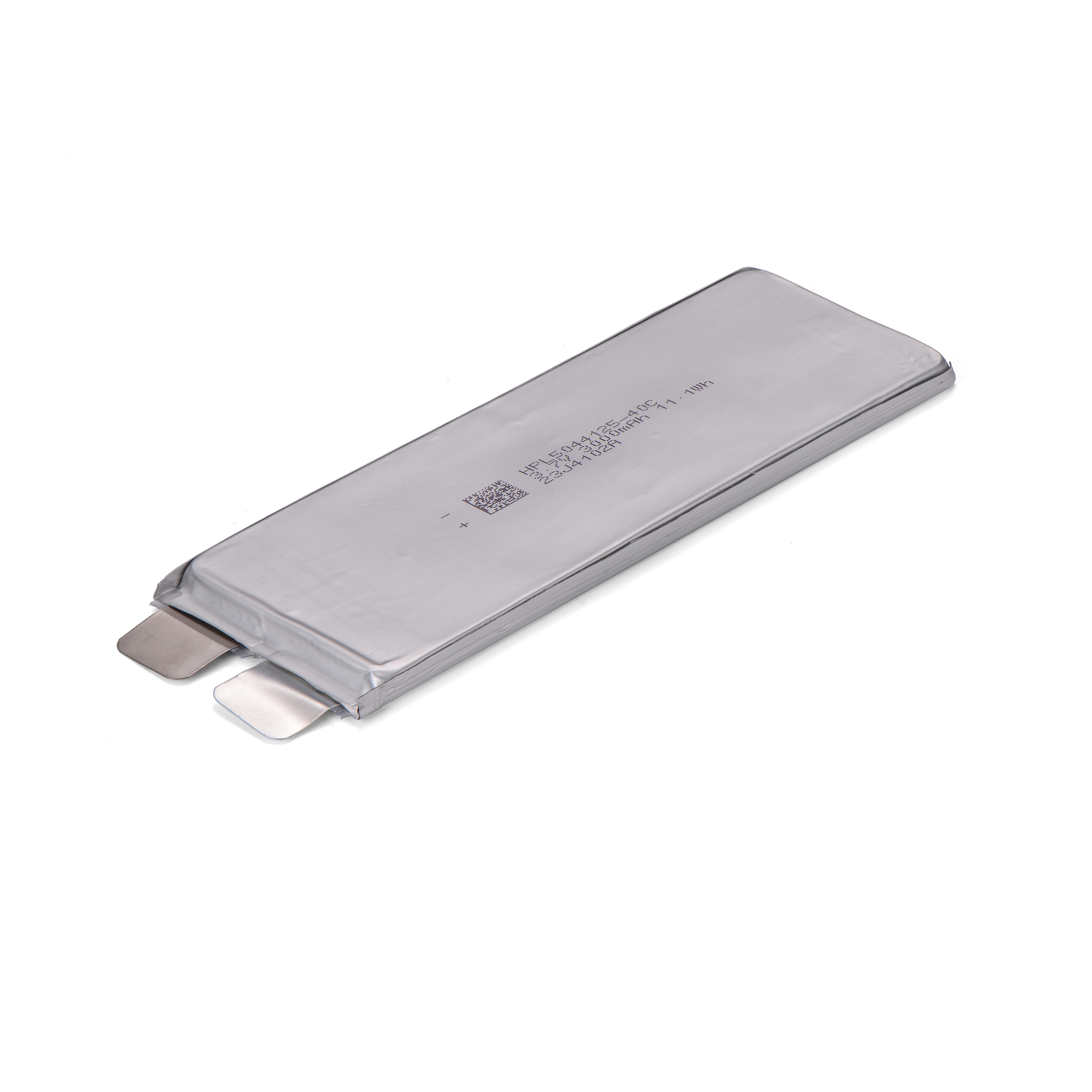
Discuss your custom Li-ion battery project with Hypercell
Shenzhen Hypercell Co., LTD
Email: info@hypercellbattery.com
Tel: +86 755 2376 4134
Web: www.hypercellbattery.com
Address: Room 2706-2707, Baoshan Shidai Building, Minqiang Community, Longhua District, Shenzhen 518131 Guangdong, China
Request a quotation or sample evaluation for your application.
Have Questions or Need More Details?
Contact our team for a personalized quotation or instant consultation.
Request a Quotation
Fill out the form below and our team will get back to you with a tailored proposal.
WhatsApp Direct Chat
Prefer to chat in real-time? Message us on WhatsApp for instant assistance & quick answers.
- Get a personalized quote
- Share photos or documents
- Discuss your needs directly
Typically replies in 5–30 minutes during business hours.