
Power Bank Battery Assembly: A Portable Charger Project Guide
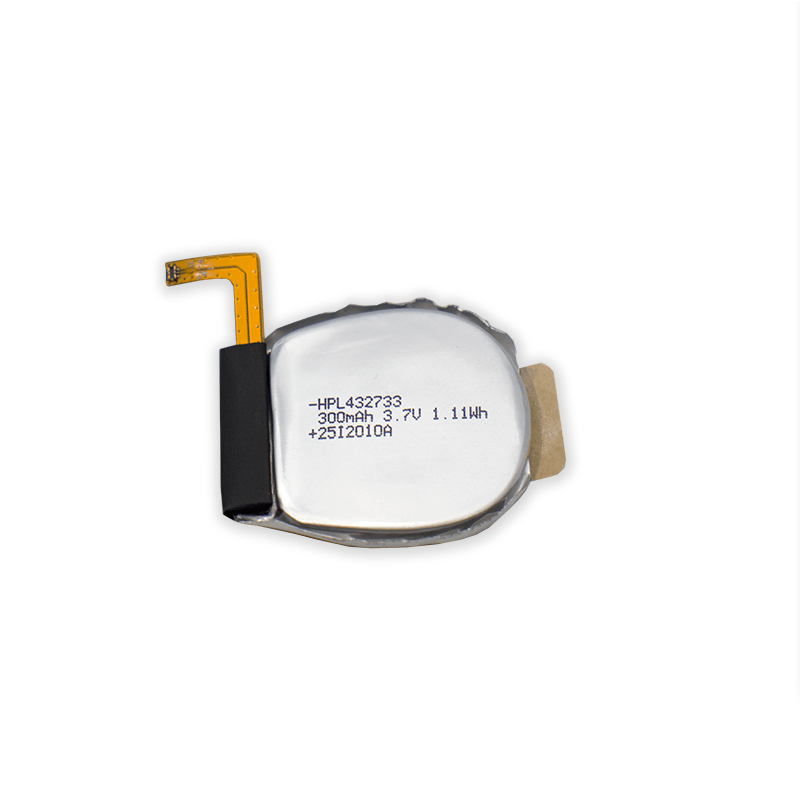
Power bank battery assembly is the work of converting a portable charger concept into a defined battery pack, protection scheme, enclosure fit and qualification plan. The buyer's real task is not to pick a cell from a catalogue; it is to describe the charger's use case, target market and mechanical limits clearly enough for a battery assembling factory to quote and validate the right assembly.
This guide is written for importers, brand owners, product managers and procurement teams preparing a portable charger project. It shows how to turn use-case decisions into a factory brief, which questions to ask before a quote, and how to judge whether a sample plan and qualification path match the project. It does not assume that one lithium battery specification fits every power bank design.
Why an incomplete brief creates power bank battery assembly risk
The most common project problem appears before a factory makes anything: the brief is too short. A buyer may ask for a 10,000mAh power bank without stating thickness, port layout, cell format, operating temperature, target certification market or expected sample date. A battery assembling factory then fills the gaps with its own assumptions. The resulting quotes may look comparable, but they can describe different cells, different protection boards, different mechanical fits and different test scopes.
For the buyer, that gap creates three practical risks. First, a sample may fit electrically but not mechanically, especially when the enclosure is already designed. Second, a quote may exclude the documentation or test work needed for the destination market. Third, a factory may propose a cell format that is easy to assemble but poorly matched to the charger's thickness, weight or thermal path. None of these risks requires a dramatic failure; even a small mismatch can add a tooling change, a new sample round or a late specification change.
The remedy is requirement translation. Before asking for a price, the buyer should convert the portable charger use case into a small set of assembly requirements that the factory can confirm, challenge or quote against.
Industry background: where battery assembly sits in a portable charger project
A power bank is a consumer electronics product, but its battery assembly crosses several engineering boundaries. The pack includes cells, a protection circuit or battery management board, connectors, wiring, insulation, mechanical retention and, in many designs, a thermal path to the enclosure. The assembling factory must integrate these parts without losing the cell maker's specified conditions, and it must test the finished pack before it enters the charger's final assembly.
This is why a battery assembling factory is not simply a cell seller. Cell selection and pack assembly are related but separate decisions. A cell may meet a capacity target and still be a poor fit for a thin enclosure, a high-port-count layout or a specific operating temperature. Conversely, a mechanically convenient pack may need a different protection strategy or a different qualification test. The buyer's brief should therefore describe the finished portable charger, not only the cell.
Shenzhen Hypercell Co., LTD is a battery manufacturer established in 2007, headquartered in Shenzhen with an operated factory in Dongguan and three production factories in Guangdong. The company states that it has more than 1,200 staff and a daily output of 30MWh, and its product range includes lithium ion cylindrical batteries, lithium ion polymer batteries and lithium iron phosphate batteries. Hypercell also states that its experience covers industrial instruments, medical devices and IoT applications, and that it offers customized Li-ion battery solutions.
The company profile describes a packing technology department that supports clients with technology integration in industrial design, electronics, power supply, software, structure, process and testing. That support matters at the brief stage: a factory that can discuss the enclosure, PCB, connector and test plan alongside the cell can expose conflicts earlier. The buyer should still verify the exact scope for each project rather than assume that every service applies to every order.
The requirement stack: what a power bank battery assembly brief should contain
A useful brief is not a long specification. It is a structured statement of the decisions that affect assembly. The following seven blocks give a battery assembling factory enough information to propose a pack, identify missing inputs and quote a realistic sample plan.
1. Use case and operating profile
Start with how the portable charger will be used, not with a cell model. Is it a pocket charger carried daily, a travel charger with multiple ports, a promotional item, or an accessory for field equipment? The use case shapes thickness, weight, port count, charging frequency, expected handling and the need for documentation. The buyer should also state the target market, because market requirements influence the qualification and transport documents the factory must prepare.
A simple use-case statement can be one page: intended user, charging scenario, whether the product will be charged and discharged daily, expected operating temperature range, storage conditions, drop or vibration exposure, and any appearance or branding constraints. If a requirement is still unknown, mark it as a target to be discussed rather than leaving it blank. That gives the factory a chance to propose options without inventing the buyer's requirements.
2. Mechanical envelope and cell format
The mechanical envelope is often the hardest constraint in a portable charger. Length, width, thickness, corner radius, screw bosses, display window and port placement all compete for space. The buyer should provide a 3D model or a dimensioned drawing of the enclosure and identify the maximum battery pocket. The factory can then check whether a cylindrical or polymer cell format can fit with the required protection board, wiring and insulation.
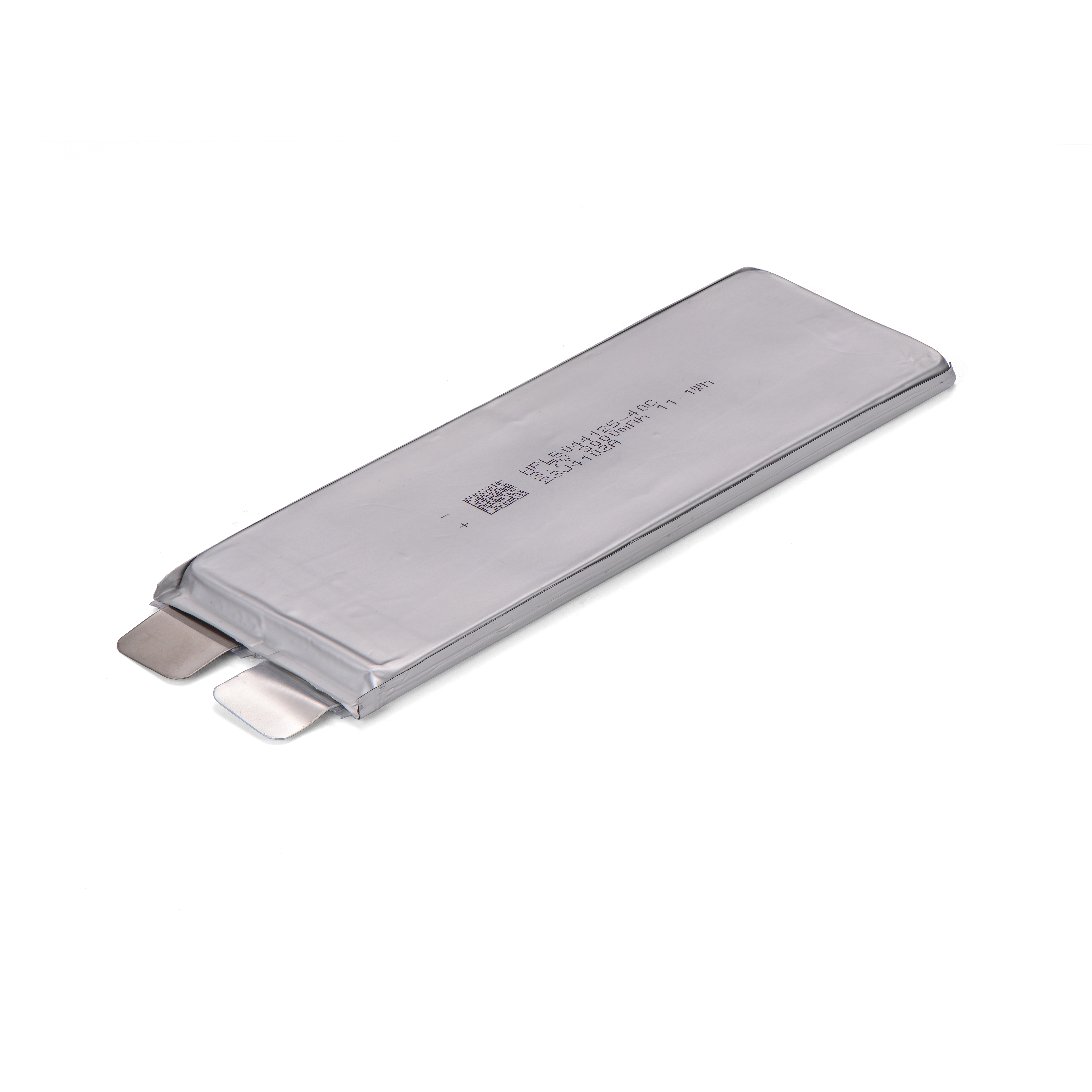
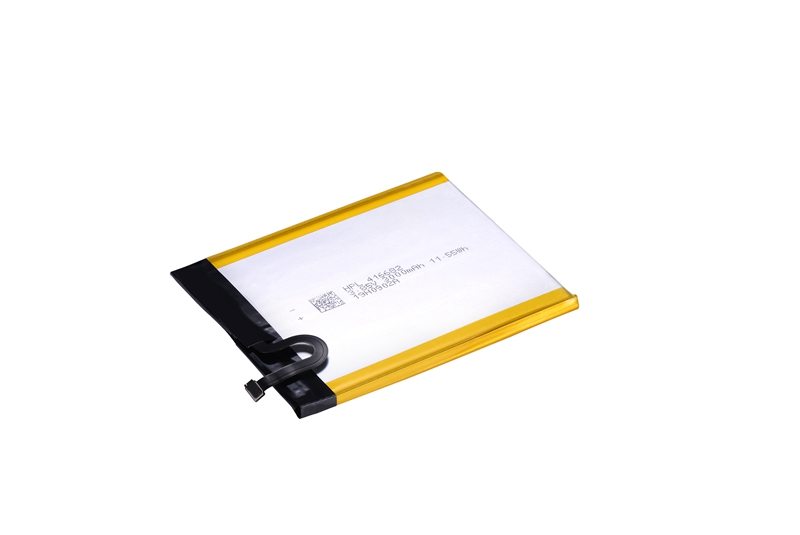
Cylindrical cells are commonly assembled into configured packs, while polymer cells can be shaped to use thin or irregular spaces. The trade-off is not automatic. A cylindrical pack may offer a familiar assembly route and standardized cell formats, but it can impose thickness and layout constraints. A polymer pack may fit a slim enclosure, but the mechanical support, swelling allowance and protection placement still need engineering review. LiFePO4 is another option to discuss where thermal stability and cycle life are priorities, but its trade-offs against energy and size targets must be checked for the specific charger.

The product images supplied with this project include configured cylindrical packs such as INR18650-3S6P and INR18650-5S1P. These model names show the range of pack formats a factory may discuss; they do not by themselves prove that a given model fits a particular power bank. The buyer should ask for the cell dimensions, pack drawing and assembly tolerances that apply to the proposed model.
3. Electrical target and protection requirements
The electrical brief should state the charger's input and output expectations, port types, charging protocol, display or indicator requirements and any target energy or capacity. The factory then translates those targets into a cell configuration and a protection scheme. The buyer does not need to design the circuit, but the brief should identify the functions that cannot be compromised: overcharge protection, overdischarge protection, overcurrent protection, short-circuit protection and temperature monitoring where the design requires it.
Protection settings should be confirmed against the chosen cells and the charger's use case. A protection board that is adequate for one pack configuration may not be appropriate for another. The factory should provide a bill of materials, a wiring diagram and the protection settings it proposes, so the buyer can compare the proposal with the product requirements instead of accepting a generic pack description.
4. Thermal and safety integration
Power bank assembly concentrates heat sources in a small space. The cells, protection board, connectors and charging circuit all contribute, and the enclosure may limit airflow. The buyer should describe how the charger is used: continuous charging, fast charging, simultaneous input and output, or storage in a warm environment. The factory should explain where the pack sits relative to heat sources, how the cells are retained, and what thermal test or inspection step is planned.
This is also where the factory's cell and process knowledge becomes useful. Hypercell states that its R&D team includes doctors, masters and senior engineers and that its work covers new materials, new technology and managing circuits. The company also describes special-performance work involving high specific capacity, high-rate discharge or fast charge, high temperature and low temperature. For a portable charger project, those capabilities are relevant only if the factory can connect them to the actual operating profile and provide supporting test evidence. The buyer should ask which claimed performance is standard, which is project-specific, and what test conditions apply.
5. Qualification and documentation plan
Qualification should be agreed before the sample is built. At minimum, the buyer should define the sample fit check, electrical function check, protection behavior check, charging and discharging test, and any mechanical or environmental test required by the target market. The plan should state the acceptance criteria and who provides the test fixtures. If the charger will be shipped internationally, the buyer should also confirm which transport documents the factory can supply with the shipment.
Hypercell states that it is a qualified ISO9001:2015 and ISO14001:2015 enterprise. The certificate images supplied with this project include ISO 9001, ISO 14001, RoHS, a CB test certificate, and identification and classification reports for sea and air transport of goods. These documents are useful evidence for a supplier review, but they should be matched to the product, factory site and order scope. A certificate image does not prove that every future pack model is covered; the buyer should ask for the applicable scope and the documents that will accompany the specific shipment.


6. Manufacturing, supply and change control
The brief should state the expected order volume, the sample quantity, the forecast horizon and any need for repeat production. These inputs help the factory propose a realistic assembly route and identify whether the chosen cell format depends on a supply lead time. The buyer should ask how the factory controls cell provenance, incoming inspection, work instructions, traceability and engineering changes. A clear change-control process matters when a cell, protection board or connector is substituted after the sample is approved.
Hypercell states that it has a supply chain composed of local and global suppliers vetted through a rigorous selection process, and that its vertical manufacturing capabilities support flexible solutions and lower risk of potential supply disruptions. Those are company statements about its operating model. For procurement, they become useful only when the buyer asks which suppliers, processes and contingencies apply to the specific power bank pack.
7. Commercial and sample plan
Finally, the brief should define what the buyer needs to compare: sample cost and schedule, tooling or setup charges if any, minimum order discussion, packaging and documentation. The buyer should not ask for a single lump price without a scope. A quote is more useful when it separates cells, protection board, assembly, testing, tooling and documentation. That structure makes it easier to see whether two offers are truly comparable.
Step-by-step: how to turn a portable charger use case into a factory brief
The following sequence gives the factory's engineering review a clear starting point. It does not replace that review, and the buyer should still confirm every project-specific detail in writing.
Step 1: Write a one-page use-case statement
Describe the user, the charging situation, the target market and the conditions the charger must survive. Include the operating temperature range, storage conditions, expected daily charging pattern and any drop or vibration exposure. State which requirements are fixed and which are targets. This page becomes the reference for every later decision.
Step 2: Freeze the mechanical envelope before requesting a pack design
Provide the enclosure drawing or 3D model, the maximum battery pocket, port locations, display position, PCB outline and any mounting points. Ask the factory to mark the space required for cells, protection board, wiring, insulation and swelling allowance. If the enclosure is not final, ask for a pack envelope that can be used for the industrial design review.
Step 3: Ask for cell-format options, not a single cell recommendation
Give the factory the electrical target and the mechanical limits, then ask for two or three cell-format options with their trade-offs. For each option, request the cell dimensions, pack configuration, expected assembly method, protection placement and any effect on thickness or weight. This is where cylindrical, polymer and LiFePO4 options can be compared on the same project rather than in the abstract.
Step 4: Define protection and connector requirements
List the charger's ports, input and output behavior, indicator requirements and protection functions. Ask the factory to propose the protection board, connector type, wiring route and insulation method. Require a bill of materials and a wiring diagram with the sample quote so the proposal can be reviewed.
Step 5: Build a qualification matrix before the sample arrives
Create a table with test item, method, acceptance criterion, sample stage and responsible party. Include fit, function, protection, charging and discharging, thermal check and any market-specific requirement. Add the document check: ISO 9001 and ISO 14001 scope, RoHS, CB test certificate if applicable, and sea or air transport reports. The matrix prevents the sample review from becoming a visual inspection only.
Step 6: Issue a structured RFQ package
Send the use-case statement, mechanical envelope, electrical target, qualification matrix and commercial requirements together. Ask the factory to respond with assumptions, exclusions, sample schedule and the documents it will provide. A structured RFQ makes it easier to compare responses and harder for a critical requirement to be overlooked.
Step 7: Compare factory responses on assumptions, not only price
Review each response for the proposed cell format, pack drawing, protection settings, test plan, document scope and change-control process. If a response does not address a requirement, ask for a written clarification. A lower quote that assumes a different cell, a simpler protection board or a shorter test plan is not comparable with a complete offer.
Step 8: Validate the sample against the agreed matrix
When the sample arrives, check it against the drawing and the qualification matrix. Record deviations and ask for a corrective action before approving volume production. Confirm that the production documentation, labels and transport documents match the approved sample. This step is also the point to agree on how future changes will be approved.
Use cases: how different portable charger projects change the brief
Slim consumer power bank
A slim charger for daily carry puts thickness and appearance first. The buyer may ask the factory to evaluate a polymer-format pack because it can use a thin enclosure, but the review should also cover mechanical support, protection-board placement and swelling allowance. The factory should provide a pack drawing that fits the enclosure, not only a cell datasheet. The sample check should include fit, port alignment and feel in the hand.
Multi-port travel charger
A travel charger with several ports and fast-charging features adds thermal and layout complexity. The battery pack, protection board and connectors compete for the same space, and heat sources may be close together. The buyer should describe simultaneous charging and discharging scenarios and ask for the factory's thermal review. A configured cylindrical pack may be one option, but the decision should be based on the actual enclosure and thermal path, not on a general preference for one format.
Rugged or field-use charger
A charger used in the field or with industrial equipment may need a wider operating temperature range, stronger mechanical retention and more documentation. The buyer should state the temperature and handling conditions, then ask which cell options and tests apply. The supplied product set includes an INR18650S 3.6V2900mAh Li-ion battery described as wide temperature −40°C to +85°C. That model is an example of a wide-temperature option in the portfolio; the buyer should still confirm the test conditions, pack integration and suitability for the specific charger.
Comparison table: project decisions and factory checks
The table below turns the requirement stack into a review tool. It does not prescribe one assembly for every power bank; it shows what to confirm so that a factory quote reflects the same project the buyer intends to build.
| Project decision | Why it changes the assembly requirement | What to confirm with the factory |
|---|---|---|
| Target market and documentation route | Different markets may require different test evidence and transport documents. | Which certificates and reports apply to the proposed pack; certificate scope and shipment documents. |
| Enclosure thickness and cell format | Cylindrical, polymer and LiFePO4 options use space differently and need different retention. | Pack drawing, cell dimensions, assembly tolerances, swelling allowance and protection-board location. |
| Port count and charging behavior | Connectors, wiring and heat sources affect layout and thermal review. | BOM, wiring diagram, protection settings and thermal test plan. |
| Operating temperature and handling | Cell choice and derating should match the real use and storage conditions. | Cell operating range, test conditions and mechanical retention for drop or vibration exposure. |
| Sample and volume plan | Sample scope, traceability and change control affect the path to repeat production. | Sample schedule, inspection records, change-control process and production documentation. |
FAQ: power bank battery assembly questions buyers ask
Include the use case, target market, enclosure dimensions, cell-format preference or openness, electrical target, port layout, protection functions, operating temperature, expected volume, sample schedule and required documentation. Add the acceptance tests you will use to approve the sample. If a requirement is still a target rather than a fixed specification, say so and ask the factory to propose options with trade-offs.
Cylindrical cells are commonly assembled into configured packs and can suit designs where standardized cell formats and a defined pack shape are acceptable. Polymer cells can use thin or irregular spaces, which may help a slim charger, but they still need mechanical support, protection placement and a swelling allowance. The right choice depends on the enclosure, energy target, thermal path and qualification plan, not on the cell name alone.
Ask for the proposed pack drawing, bill of materials, protection settings, cell dimensions, assembly method and test plan. Confirm how the sample will be checked for fit, electrical function, protection behavior and thermal performance. Also confirm the document set: the applicable ISO 9001 and ISO 14001 scope, RoHS, CB test certificate if relevant, and sea or air transport reports for the shipment. The answers should be specific to the project rather than general company statements.
No. A certificate should be read with its scope, product, factory site and validity. Hypercell states that it is a qualified ISO9001:2015 and ISO14001:2015 enterprise, and the supplied certificate images include ISO 9001, ISO 14001, RoHS, a CB test certificate, and sea and air transport reports. The buyer should ask which of these apply to the proposed pack and shipment, and request the current documents rather than relying on an image alone.
Prepare the one-page use case, enclosure drawing, electrical target and qualification matrix, then request a sample and a structured quote. Review the sample against the agreed criteria and confirm the production documents before releasing volume. For a portable charger project, Hypercell can review a battery assembly brief and discuss sample or quotation requirements through info@hypercellbattery.com or +86 755 2376 4134.
Conclusion
Power bank battery assembly becomes manageable when the buyer treats the battery as part of the product definition, not as a last-minute purchase. The practical sequence is to describe the use case, freeze the mechanical envelope, ask for cell-format options, define protection and qualification, and compare factory responses on assumptions and evidence. This approach helps a battery assembling factory quote a pack that matches the portable charger, and it gives the buyer a clear basis for sample approval.
Hypercell's supplied profile provides a concrete reference point: a manufacturer established in 2007, with three production factories in Guangdong, more than 1,200 staff, a stated daily output of 30MWh, and a product range covering cylindrical, polymer and LiFePO4 lithium batteries. Those facts do not remove the need for project-specific verification. They do show what to examine when a portable charger project moves from concept to a factory conversation.
Have Questions or Need More Details?
Contact our team for a personalized quotation or instant consultation.
Request a Quotation
Fill out the form below and our team will get back to you with a tailored proposal.
WhatsApp Direct Chat
Prefer to chat in real-time? Message us on WhatsApp for instant assistance & quick answers.
- Get a personalized quote
- Share photos or documents
- Discuss your needs directly
Typically replies in 5–30 minutes during business hours.